


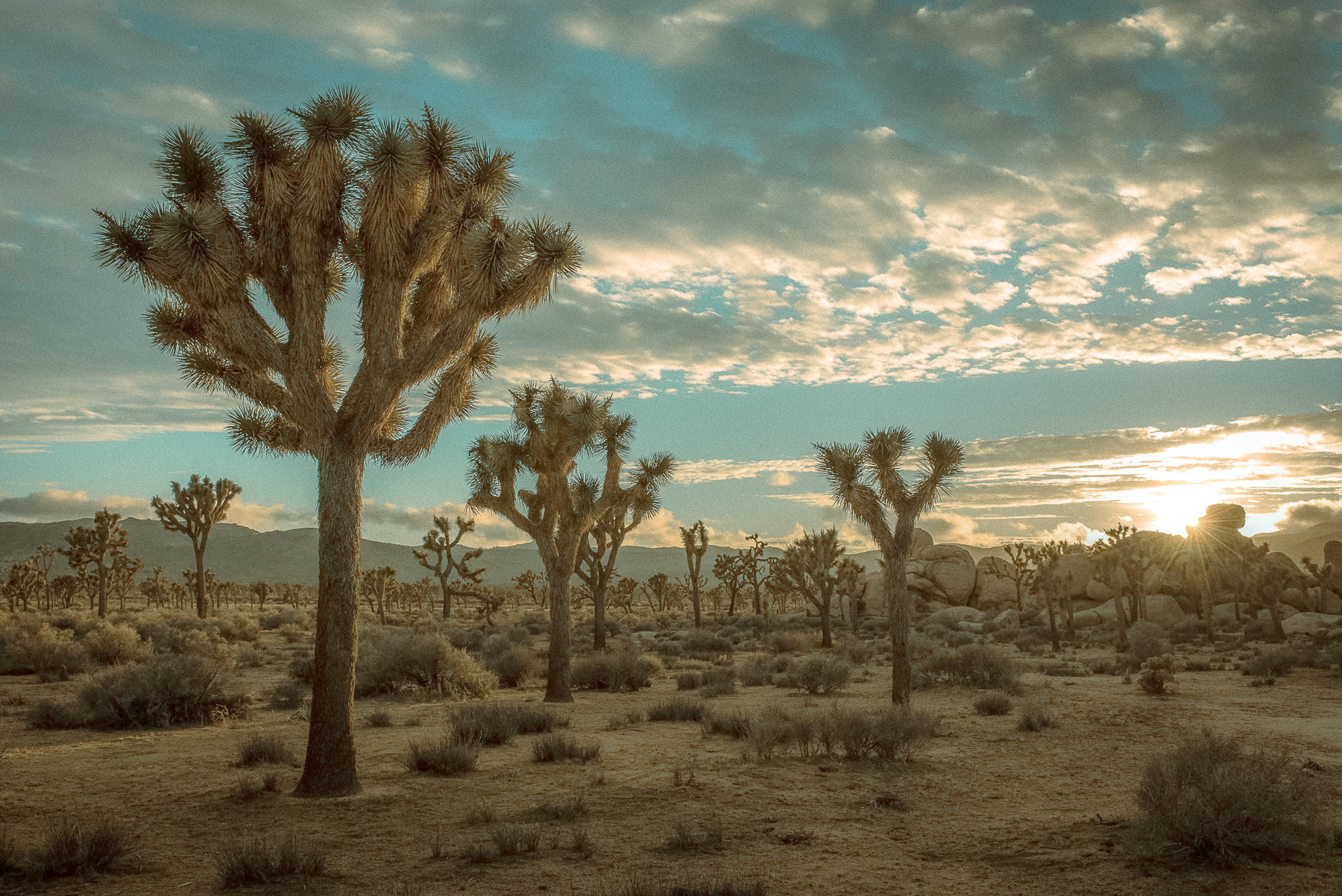


With its whimsical Joshua trees, dramatic rock formations, endless desert landscapes, and incredible sunsets, Joshua Tree National Park feels unlike anywhere else in California. It’s the perfect place for couples who want an adventurous wedding day that feels peaceful, intentional, and completely immersed in nature.
Whether you’re planning a private adventure for just the two of you or inviting a handful of your favorite people, this guide covers everything you need to know, including permits, the best time of year, ceremony locations, where to stay, and how to create an unforgettable wedding day.
How to Get Married in Joshua Tree
Planning a Joshua Tree elopement is easier than most couples expect. Here’s a simple step-by-step guide to help you get started.
1. Choose Your Elopement Location
Joshua Tree National Park offers several designated ceremony sites, each with its own unique scenery and guest capacity. Whether you’re dreaming of iconic Joshua trees, massive rock formations, or sweeping desert views, choosing the right location is the first step.
Not sure which ceremony site is the best fit? That’s where I come in. I’ll help you narrow down the perfect location based on your vision, guest count, privacy, and the overall experience you want to create.
2. Book Your Photographer
Once you have a general location and timeframe in mind, it’s time to book your photographer. Beyond documenting your day, I’ll help you plan every detail, from creating a personalized timeline and recommending the best portrait locations to navigating permits, suggesting activities, and sharing trusted local vendor recommendations.
3. Choose Your Wedding Date
Joshua Tree is beautiful year-round, but the experience changes with the seasons. Spring and fall offer the most comfortable temperatures, while summer is best suited for sunrise ceremonies before the desert heat sets in. Winter brings cooler temperatures and beautiful golden light, making it another wonderful time to elope.
4. Apply for Your Special Use Permit
Every wedding ceremony inside Joshua Tree National Park requires a Special Use Permit, even if it’s just the two of you. I’ll help you determine which permit you need, guide you through the application process, and make sure your ceremony follows the park’s regulations.
5. Get Your California Marriage License
You’ll need a valid California marriage license before your ceremony. The good news is that you can obtain one from any county clerk’s office in California, and it’s valid anywhere in the state.
6. Choose an Officiant
California requires an officiant unless you’re planning a confidential marriage license ceremony that allows self-solemnization under specific circumstances. Many couples ask a friend or family member to become ordained, while others hire a professional officiant. If you’re looking for recommendations, I’m always happy to share some of my favorites.
7. Plan an Adventure You’ll Never Forget
One of the best parts about eloping in Joshua Tree is that your wedding day can be so much more than just the ceremony. Spend the day hiking among the boulders, enjoying a picnic, watching the sunset from Keys View, exploring the town of Joshua Tree, stargazing beneath some of California’s darkest skies, or relaxing at a beautiful desert Airbnb.
Best Time of Year to Elope in Joshua Tree
One of my favorite things about Joshua Tree is that every season offers a completely different experience. Whether you’re drawn to warm desert sunsets, blooming wildflowers, or cooler temperatures for hiking, there’s really no bad time to elope here. The key is choosing the season that best matches the kind of wedding day you’re dreaming of.
Spring (March through May) is one of the most popular times to elope in Joshua Tree. Temperatures are comfortable, the desert comes alive with blooming wildflowers after rainy winters, and the park is perfect for hiking and exploring. Because it’s such a popular season, planning a sunrise ceremony or a weekday elopement can help you avoid the biggest crowds.
Summer (June through August) brings intense desert heat, with daytime temperatures often climbing well over 100°F. If you’re planning a summer elopement, sunrise is by far the best option. The cooler morning temperatures, soft light, and quieter trails create an incredible experience before the heat settles in.
Fall (September through November) is another favorite season for Joshua Tree elopements. As temperatures begin to cool, the park becomes much more comfortable for spending the day outdoors. You’ll still enjoy beautiful golden sunsets and warm evenings, making it an excellent time for a full-day adventure.
Winter (December through February) offers crisp air, comfortable hiking weather, and some of the clearest skies of the year. Snow occasionally dusts the higher elevations surrounding the park, creating a unique contrast against the desert landscape. While evenings can be chilly, winter is one of the most peaceful and beautiful times to experience Joshua Tree.
The desert weather can change quickly, especially between day and night, with temperatures often dropping dramatically after sunset. We always build flexibility into your timeline, plan around the best lighting, and make sure you’re prepared for the conditions so you can simply enjoy your adventure.
My Favorite Months to Elope in Joshua Tree
If I had to choose the absolute best time, I’d recommend March through May or October through November.
These months offer the best combination of comfortable temperatures, beautiful light, and ideal conditions for spending the entire day outdoors. Whether you’re hiking to a scenic overlook, sharing a picnic among the boulders, or ending the evening beneath a sky full of stars, spring and fall provide the most enjoyable experience.
Joshua Tree Ceremony Locations
Joshua Tree National Park only allows weddings and elopements at designated ceremony locations, each with its own guest capacity, vehicle limit, and seasonal guidelines. Whether you’re dreaming of exchanging vows among towering boulders, beneath the park’s iconic Joshua trees, or in a quiet desert setting, there’s a location to fit your vision. Before choosing your ceremony site, be sure to review the official National Park Service wedding permit page for the latest regulations, guest limits, and location details. While Joshua Tree National Park has several approved ceremony sites, these are my favorite locations for their scenery, accessibility, and overall experience:
- Cap Rock
- Hidden Valley Picnic Area
- Split Rock
- Quail Springs Picnic Area
- Indian Cove Amphitheater
Not sure which location is the best fit for your day? I’ll help you choose the ceremony site that matches your vision, guest count, and the experience you want to create.
Joshua Tree Wedding Permit Requirements
If you’re planning to get married inside Joshua Tree National Park, you’ll need a Special Use Permit for your ceremony, even if it’s just the two of you. The permit application fee is $120 and is non-refundable. Applications can be submitted up to 12 months in advance and must be received at least 15 days before your wedding date, although applying earlier is recommended, especially during the busy spring and fall seasons. Ceremonies are only allowed at designated wedding locations, each with its own guest and vehicle limits. It’s also important to know that your permit does not reserve the area exclusively for your wedding, so other park visitors may still be nearby during your ceremony. Everyone entering the park must also pay the standard entrance fee or have a valid National Parks Pass.
Activities to Make Your Joshua Tree Wedding Day An Experience
One of the best parts about eloping in Joshua Tree is that your wedding day can be about so much more than the ceremony. Instead of rushing from one event to the next, you can slow down and build an experience around the things you genuinely love doing together. Whether you want a full day of adventure or a quiet, relaxing celebration, there are countless ways to make your Joshua Tree elopement feel personal.
Here are a few ideas:
- Watch the sunrise together
- Hike through Hidden Valley
- Explore the giant boulder formations
- Visit Cholla Cactus Garden
- Take in the views from Keys View
- Have a first look among the Joshua trees
- Read private vows at sunset
- Share a champagne toast
- Pack a luxury picnic
- Enjoy coffee together in the desert
- Go rock climbing
- Bring your dog along for portraits (outside the National Park where permitted)
- Stay in a unique desert Airbnb with a hot tub
- Hire a private chef for dinner
- Visit the local art galleries in Joshua Tree
- Browse the shops in Joshua Tree Village or Pioneertown
- Dance beneath the stars
- End the night with astrophotography under the Milky Way
- Gather around a fire pit at your Airbnb
- Celebrate with a pool day before or after your wedding
- Drive into Palm Springs for a celebratory dinner or spa day
Your wedding day doesn’t have to follow a traditional timeline. The best Joshua Tree elopements are the ones that reflect your relationship, giving you the freedom to spend the day exactly how you want.
Marriage License for Your Joshua Tree Elopement
Before your Joshua Tree elopement, you’ll need to obtain a valid California marriage license. If you’re getting married in Joshua Tree National Park, the closest option is the San Bernardino County Recorder-Clerk’s Office. Both partners must appear together in person with a valid government-issued photo ID to receive the license. California does not have a waiting period, and your marriage license is valid anywhere in the state for 90 days, making it easy to pick it up before your wedding day. You can begin the application, review the requirements, and schedule your appointment through the official San Bernardino County Marriage License & Ceremony page
Tips for Your Joshua Tree Elopement
Joshua Tree is one of the most incredible places to get married, but a little planning goes a long way. These tips will help your day feel relaxed, comfortable, and stress-free while making the most of everything the park has to offer.
- Plan your ceremony for sunrise or sunset to enjoy the best light and the most comfortable temperatures.
- Visit on a weekday if possible to avoid the busiest crowds, especially during spring and fall.
- Bring plenty of water. The desert climate is dry year-round, and it’s easy to become dehydrated without realizing it.
- Wear comfortable shoes, especially if you’ll be walking across rocky terrain before changing into your wedding shoes.
- Pack layers, even during warmer months. Desert temperatures can change quickly once the sun goes down.
- Allow extra driving time between locations since the park is much larger than many couples expect.
- Download offline maps before arriving because cell service is limited throughout much of the park.
- Be mindful of the environment by staying on designated trails and avoiding damage to Joshua trees or other desert plants.
- Bring a clear umbrella just in case. While rain is uncommon, desert storms can move in quickly.
- Consider staying two or three nights so your wedding day feels relaxed instead of rushed.
- Finish your day with stargazing. Joshua Tree is recognized as an International Dark Sky Park, making it one of the best places in California to see the Milky Way on a clear night.
- Hire an experienced Joshua Tree elopement photographer who can help with permits, timelines, lighting, and choosing the best locations for your ceremony and portraits.
With a little preparation, your Joshua Tree elopement can be an unforgettable experience that lets you slow down, soak in the scenery, and celebrate your marriage in one of California’s most unique landscapes.
Ready to Plan Your Joshua Tree Elopement?
If you’re dreaming of a Joshua Tree National Park elopement, I’d love to help you bring it to life. From scouting the best ceremony locations to capturing your day on digital, 35mm film, and Super 8 video, I’ll help you create memories as timeless as the desert sky.
? Reach out here to start planning your Joshua Tree elopement.


