




If you’re dreaming about getting married somewhere along the Oregon Coast, beneath the trees near Mount Hood, beside a waterfall in the Columbia River Gorge or somewhere completely different, the actual legal process of getting married in Oregon is pretty straightforward.
You don’t need to live in Oregon to get married here, and your marriage license doesn’t have to come from the same county where your ceremony takes place. That makes Oregon especially convenient if you’re traveling in for an elopement or intimate wedding.
There are still a few things you’ll want to plan ahead for, especially Oregon’s waiting period, witness requirements and any permits required for the location you choose.
This guide walks you through how to legally get married in Oregon and some of the other logistics worth thinking about when planning an Oregon elopement.
How to Legally Get Married in Oregon
At its simplest, getting legally married in Oregon looks like this:
- Choose where in Oregon you’d like to get married.
- Apply for a marriage license through an Oregon county clerk.
- Account for Oregon’s 3-day waiting period or determine whether your county offers a waiver.
- Have an authorized officiant perform your ceremony.
- Have two witnesses present.
- Complete and return your marriage paperwork.
- Order certified copies of your marriage record if you need them afterward.
The legal side isn’t particularly complicated, but if you’re traveling into Oregon for your wedding, you’ll want to coordinate your marriage license with your travel dates.
Do You Have to Be an Oregon Resident to Get Married in Oregon?
No. You don’t have to be an Oregon resident to legally get married in Oregon. You can travel into the state, obtain your marriage license and get married during your trip.
You also don’t have to get your marriage license in the same county as your ceremony. An Oregon marriage license can be used anywhere in the state, giving you more flexibility when planning your travel.
For example, if you’re flying into Portland before heading to Mount Hood or the Oregon Coast, you may be able to plan your marriage license pickup around the beginning of your trip rather than squeezing in a county clerk visit near your elopement location.
How to Get an Oregon Marriage License
Marriage licenses are issued through county clerk offices rather than through one centralized Oregon marriage license office.
You’ll want to choose a county that works well with your travel plans and then check that county’s specific application process before your trip.
Generally, you should be prepared to:
• Complete the county’s marriage license application
• Provide a valid government-issued photo ID
• Provide basic personal and birth information
• Provide information about previous marriages when applicable
• Pay the county’s marriage license fee
Individual counties can have slightly different procedures, fees, appointment requirements and office hours, so always check directly with the county where you’re applying before making your plans.
How Much Does an Oregon Marriage License Cost?
Marriage license fees vary by county, but around $60 is common in Oregon. If you need to waive the 3-day waiting period, some counties may charge an additional fee.
Before your trip, check with the county clerk where you plan to apply for the current fee, accepted payment methods and waiting-period waiver options.
Does Oregon Have a Waiting Period for Marriage Licenses?
Yes. Oregon has a 3-day waiting period before your marriage license becomes effective, which is especially important to plan around if you’re traveling into Oregon for your elopement.
For example, if you pick up your license on Monday, you can’t assume you can use it for a ceremony that same afternoon. Some counties allow you to waive the waiting period, sometimes for an additional fee, but the process varies by county.
Whenever possible, I recommend arriving a few days early and taking care of your marriage license before your elopement day. If your travel timeline is tighter, I can help you figure out which county makes the most sense based on where you’re flying in, staying and getting married.
How Long Is an Oregon Marriage License Valid?
Your Oregon marriage license is valid for 60 days from its effective date, and your ceremony must take place before the expiration date listed on the license.
For most destination elopements, that’s plenty of time. Just be careful not to apply too early, especially if you’re planning your Oregon trip well in advance.
Do You Need an Officiant to Get Married in Oregon?
Yes. Unlike states that allow couples to self-solemnize, Oregon requires an authorized officiant to legally solemnize your marriage.
The good news is you don’t necessarily need to hire another vendor. I’m ordained and can take care of the officiant side for my Oregon elopement couples, including completing the appropriate portion of your marriage paperwork.
That doesn’t mean I need to stand between you or lead a traditional ceremony. You can exchange personal vows privately, read letters, incorporate something meaningful to you or keep things incredibly simple. We can handle the legal requirements while keeping the experience focused on the two of you.
If you’d rather have a separate officiant, that’s completely fine too. You can hire someone who fits your ceremony style or have an eligible friend or family member become authorized to officiate.
Do You Need Witnesses to Get Married in Oregon?
Yes. Oregon requires two witnesses to be present for your marriage ceremony.
If you’re having an intimate wedding with family or friends, they can easily fill that role. But if you’re planning a true just-the-two-of-you elopement, you don’t need to invite guests just to meet the legal requirement.
We can plan around it. Depending on your ceremony location and plans for the day, we’ll figure out your witnesses ahead of time so you’re not scrambling to find two people to sign your marriage license on your wedding day.
What Happens to the Marriage License After Your Ceremony?
After the ceremony, your officiant and witnesses will need to complete the appropriate portions of your marriage paperwork.
Oregon requires the person solemnizing the marriage to deliver the completed marriage record to the county clerk that issued the license within five days of the ceremony.
Once the marriage has been recorded, you can request certified copies of your marriage record if you need them for things like changing your name or updating legal documents.
Do You Need a Permit to Get Married in Oregon?
Possibly. Your marriage license makes your marriage legal, while a permit gives you permission to hold your ceremony at a specific location. They are two separate things.
Whether you need a permit depends on where you’re getting married. State parks, national forests and other public lands can have their own rules for ceremonies, group sizes, photography, parking and other wedding-day activities.
Don’t assume a public location automatically allows wedding ceremonies. This is something I help my couples research as we’re narrowing down Oregon elopement locations, so we can figure out any permit requirements ahead of time.
Where Can You Get Married in Oregon?
This is where Oregon gets really fun.
You could build completely different wedding days without ever leaving the state.
Oregon Coast
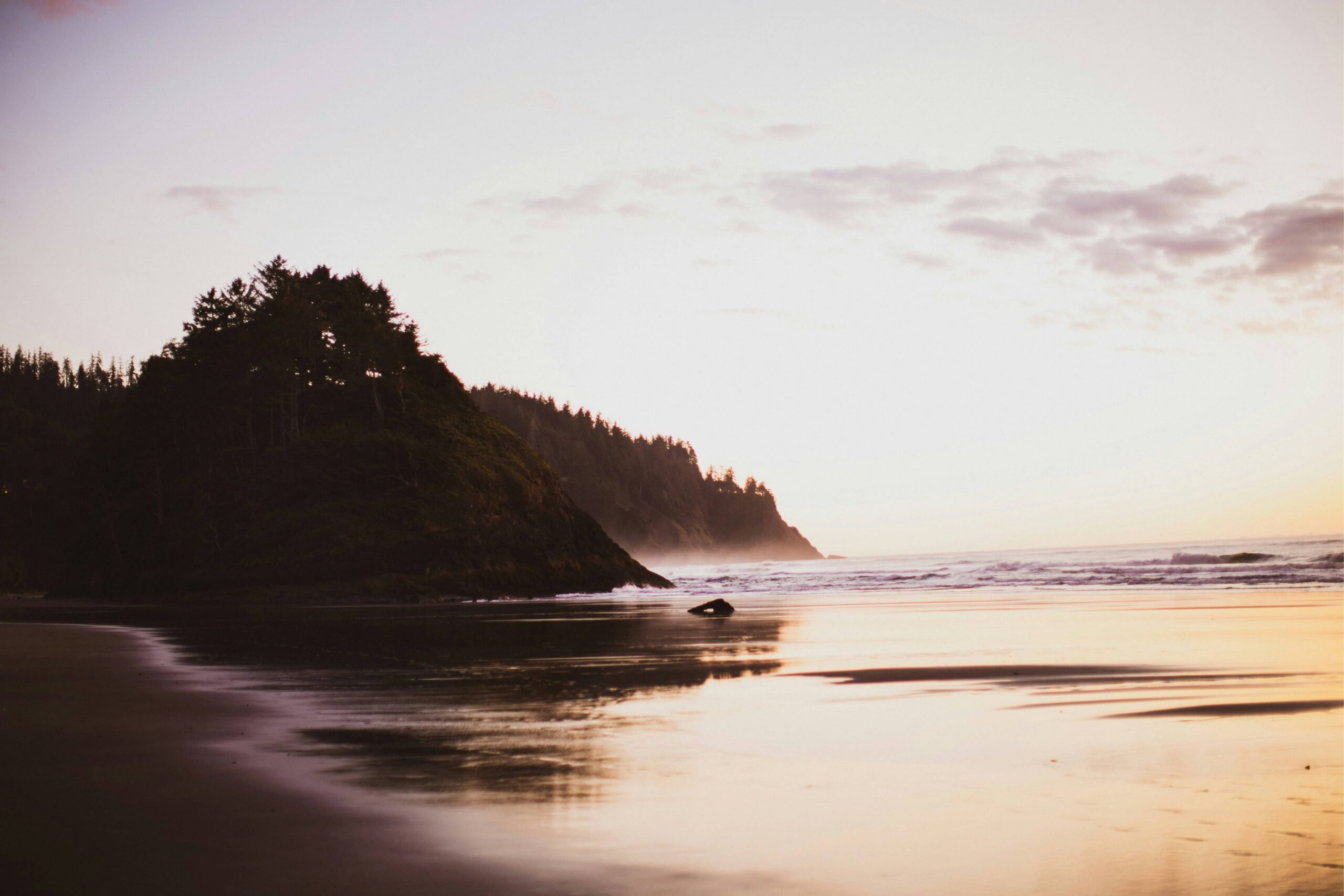
If you want cliffs, beaches, sea stacks, foggy forests and a little bit of unpredictability, the Oregon Coast is hard to beat.
And you don’t necessarily have to spend the entire day on one beach.
An Oregon Coast elopement could include a quiet morning at your rental, a ceremony somewhere tucked into the trees, exploring overlooks in the afternoon and ending barefoot on the beach at sunset.
The northern and southern parts of the coast also feel surprisingly different, so choosing your general area is one of the first things I’d recommend doing.
Mount Hood
Mount Hood is one of my favorite options for couples who want mountain scenery without feeling like their wedding day needs to revolve around a huge hike.
You can build a day around forests, mountain views, lakes, cabins and trails, or combine Mount Hood with other nearby areas.
It works especially well if you want your day to feel outdoorsy and adventurous while still leaving plenty of room to slow down.
Columbia River Gorge
If waterfalls are high on your list, start looking toward the Columbia River Gorge.
One of the best parts about this area is how much scenery you can experience without needing to dedicate your entire day to one location.
You could incorporate waterfalls, forest trails, overlooks and dinner in Hood River into the same elopement experience.
Popular areas can get extremely busy, though, which makes timing and location selection especially important.
Central Oregon
Central Oregon gives you a completely different side of the state.
Around Bend and the surrounding areas, you’ll find high desert landscapes, volcanic terrain, mountain views, lakes, forests and some incredible places to explore.
This can be a great fit if you want to turn your elopement into a longer Oregon trip and mix your wedding day with hiking, paddling, breweries, hot springs or simply exploring somewhere new together.
Southern Oregon Coast
If you’re picturing something a little wilder and more rugged, the Southern Oregon Coast is one of my favorite areas to consider.
Around Brookings, you’ll find dramatic cliffs, sea stacks, secluded beaches and forested trails, with plenty of opportunities to experience more than one type of scenery on your wedding day.
And if you love the idea of getting married on the Oregon Coast and exploring beneath giant redwoods, you don’t necessarily have to choose between the two. Brookings is close enough to Northern California’s redwoods that you can combine both landscapes into one elopement trip, or even a multi-day experience.
Not sure which area fits what you’re envisioning? I put together a full Oregon Coast vs. Redwoods Elopement Guide comparing the scenery, locations and overall experience of getting married in each.
What’s the Best Time of Year to Get Married in Oregon?
There isn’t one perfect month to get married in Oregon because the weather can look completely different depending on whether you’re on the coast, in the mountains or exploring Central Oregon. For most outdoor elopements, late spring through early fall offers the most flexibility.
Spring brings greener landscapes, flowing waterfalls and fewer crowds, but rain and lingering mountain snow are possible. Summer typically gives you better odds of dry weather and easier access to higher elevations, but it’s also the busiest season. Fall brings cooler temperatures, changing colors and fewer visitors, while winter can be beautiful if you’re intentionally planning for snow, storms and shorter days.
And if you’re getting married on the Oregon Coast, plan for wind or rain during any season. Instead of choosing your date based entirely on the weather, start with the scenery and experience you want, then choose the season that fits it best.
What If It Rains on Your Oregon Wedding Day?
We embrace it, within reason. If you’re getting married in Oregon, especially along the coast, a little rain doesn’t mean something went wrong. Fog, mist and moody skies are part of what makes Oregon feel like Oregon.
Of course, safety comes first if weather affects roads, trails or your plans. We’ll have backup options in mind ahead of time, so if the weather does take a turn, we can adjust without your entire day feeling thrown off.
But for normal Oregon rain? Bring a good rain jacket, waterproof shoes and be ready to roll with it. Some of my favorite wedding-day conditions aren’t perfectly sunny.
How Far in Advance Should You Plan an Oregon Elopement?
You don’t necessarily need a year or more to plan an Oregon elopement.
But giving yourself more time can make it easier to secure accommodations, permits and vendors, especially if you’re planning for summer or a popular destination.
I’d start with:
• Your approximate date or season
• The general Oregon region you’re drawn to
• How many people you’re inviting
• The type of scenery you want
• How much hiking or exploring sounds enjoyable
• Whether you want photography, video or film
• Any activities you’d love to include
You don’t need to have your exact ceremony location figured out before reaching out to me.
Honestly, I’d rather help you narrow it down than have you choose a location simply because it showed up first on Pinterest.
A Few Tips for Getting Married in Oregon
Don’t build your entire day around one famous viewpoint. Oregon has way too much variety for that. Think about the experience you want instead of just one photo.
Give yourself more driving time than Google Maps suggests. Scenic stops, winding roads, traffic and weather can all slow things down.
Pay attention to tides on the coast. A beach that looks huge in someone’s wedding gallery may look completely different at high tide.
Don’t underestimate Oregon weather. Layers, waterproof shoes and rain protection are worth having even when the forecast looks decent.
Check permit requirements early. Don’t wait until the week before your ceremony to find out whether your location requires approval.
Leave room in your timeline. Your elopement doesn’t need to feel like a checklist of Oregon landmarks.
You can hike. You can have a picnic. You can stop for coffee. You can spend an hour doing absolutely nothing at your cabin before getting ready. You can have dinner with your family. You can explore until sunset.
The goal isn’t to fit as much as possible into your wedding day.
It’s to create a day you actually want to experience.
Oregon Marriage License Checklist
Before your Oregon wedding, make sure you’ve:
• Chosen the Oregon county where you’ll obtain your marriage license
• Checked its current application requirements and fees
• Planned around the 3-day waiting period or confirmed waiver options
• Confirmed the effective and expiration dates on your license
• Arranged for an authorized officiant
• Arranged for two witnesses
• Checked whether your ceremony location requires a permit
• Brought your marriage paperwork to the ceremony
• Made sure the officiant and witnesses complete the required sections
• Confirmed your completed marriage record is returned to the issuing county
Once those pieces are handled, you can spend a lot less time thinking about paperwork and a lot more time actually enjoying Oregon.
Planning an Oregon Elopement?
You don’t need to know exactly where you’re getting married before reaching out.
Part of what I love about photographing Oregon elopements is helping couples take the vague idea of we want to get married somewhere beautiful in Oregon and turn it into an actual experience.
We can narrow down locations based on the scenery you love, how much hiking you want to do, accessibility, crowds, season and what you actually want your wedding day to feel like. From there, I can help with location research, permit information, marriage license logistics and building a timeline that gives you room to experience the day instead of rushing through it.
I’m an Oregon elopement photographer and Super 8 filmmaker, and I’m also ordained, which means I can help with the legal officiant side of your elopement when needed.
Whether you’re picturing vows along the Oregon Coast, exploring beneath Mount Hood, chasing waterfalls through the Columbia River Gorge or turning your wedding into a multi-day Oregon road trip, we can build something that feels completely your own.
Ready to start planning your Oregon elopement? Get in touch here and tell me what you’re dreaming up.
More Oregon Elopement Resources
Still figuring out where in Oregon you want to get married or what you want your day to look like? I have plenty more resources to help you plan.
• Best Places to Elope in Oregon — Explore some of my favorite places to get married throughout the state, from the coast and mountains to waterfalls and high desert.
• Oregon Coast Elopement Guide — Everything you need to know if you’re dreaming about getting married somewhere along the Oregon Coast.
• Northern vs. Southern Oregon Coast for Your Elopement — Compare the two sides of the coast and figure out which scenery and experience feels more like you.
• Oregon Coast vs. Redwoods Elopement Guide — Torn between dramatic Oregon coastline and giant redwoods? This guide breaks down both options and how you can potentially experience them together.
• Mount Hood Elopement Guide — Planning something in the mountains? Learn about locations, seasons, activities and what to consider when getting married around Mount Hood.
• Cannon Beach Elopement Guide — Love Cannon Beach? Here’s what to know about ceremonies, crowds and how you can still incorporate this iconic part of the Oregon Coast into your day.
And if you’re still at the very beginning, you can explore my Oregon Elopement Photographer page to learn more about how I help couples plan and document their elopement from beginning to end.


