


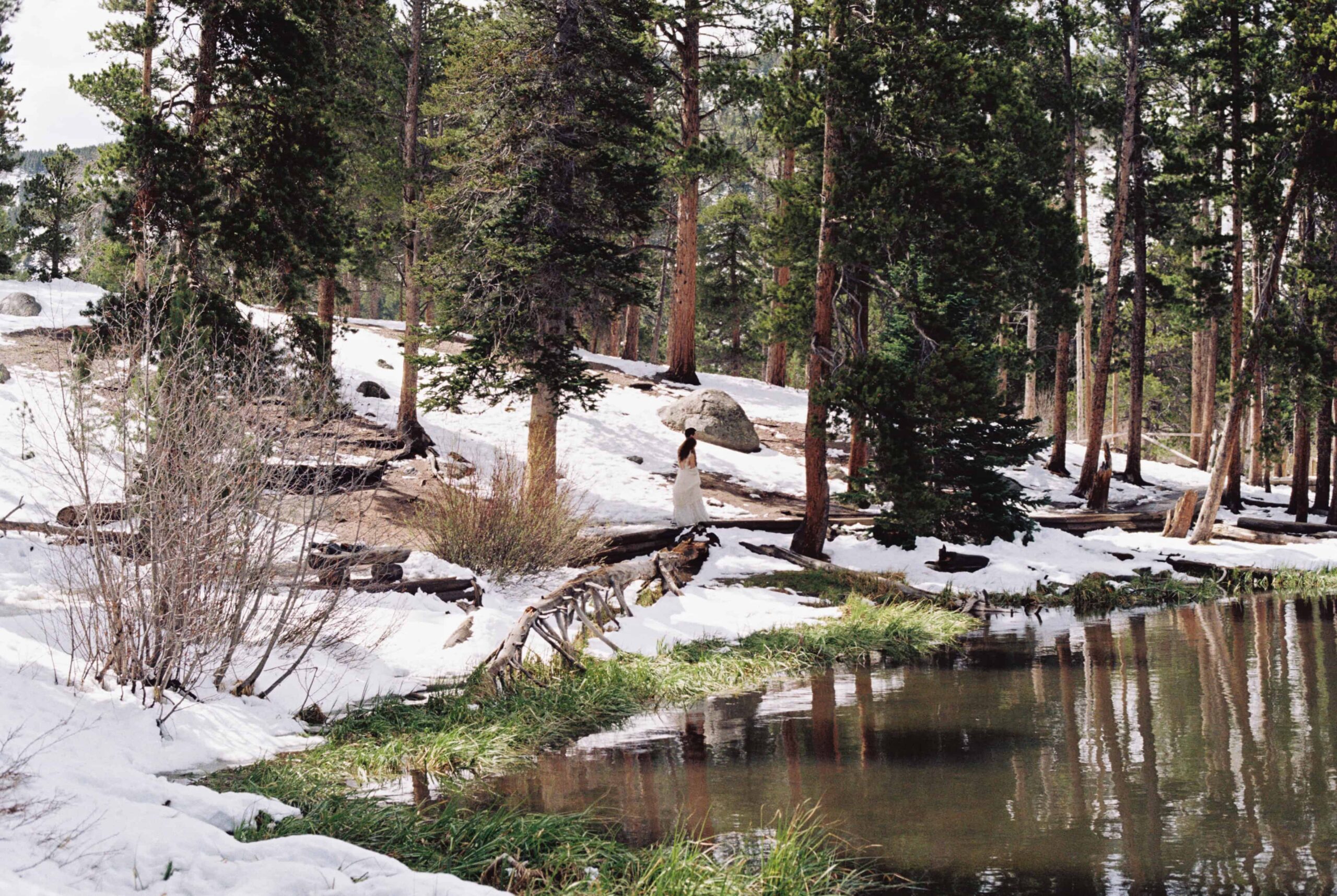


Towering mountain peaks, alpine lakes, wildflower-filled meadows, and some of the most breathtaking scenery in Colorado make Rocky Mountain National Park one of the most popular places in the country to elope. Located just outside Estes Park, RMNP offers couples the opportunity to exchange vows surrounded by dramatic mountain landscapes while creating a wedding day centered on experience, adventure, and connection.
Whether you’re dreaming of a lakeside ceremony, exploring the alpine tundra above treeline, or watching the sun rise over the Continental Divide, Rocky Mountain National Park offers a variety of unforgettable locations and experiences.
This guide covers everything you need to know about planning a Rocky Mountain elopement, including permits, marriage licenses, ceremony locations, seasonal considerations, and planning tips.
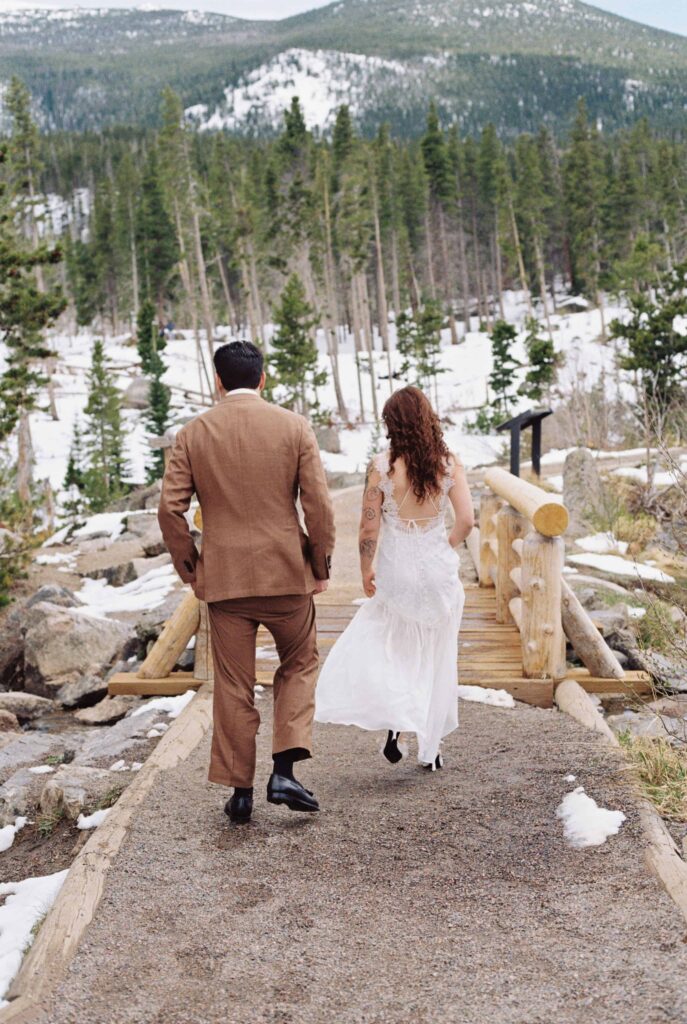
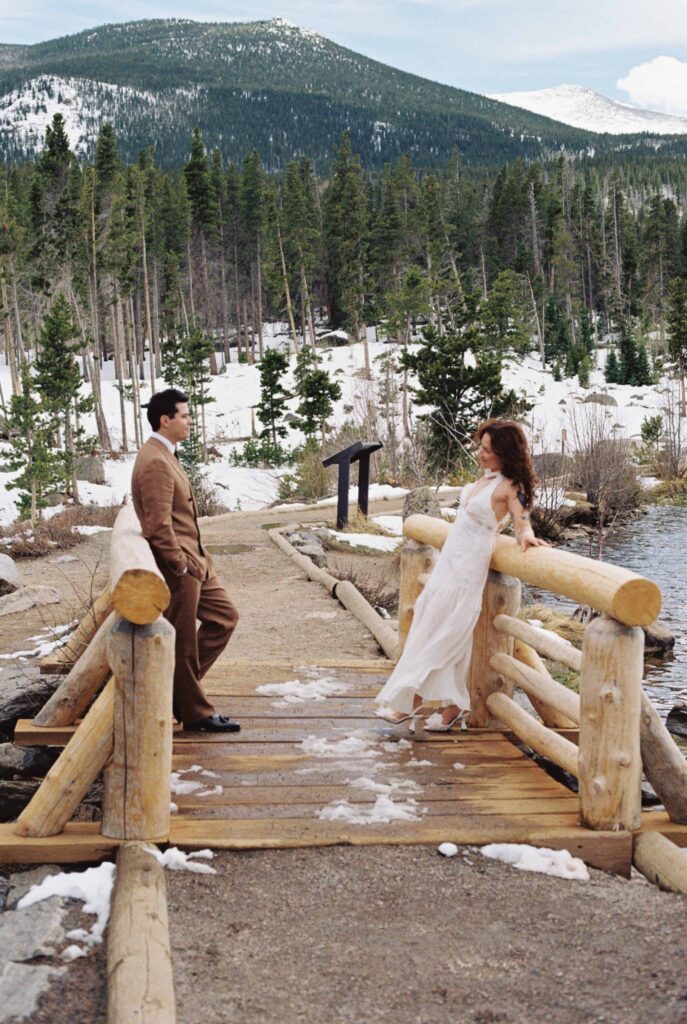
Where is Rocky Mountain National Park?
Rocky Mountain National Park is located in northern Colorado, approximately 90 minutes from Denver and just outside the mountain town of Estes Park.
The park spans more than 400 square miles and features alpine lakes, dense forests, mountain valleys, and high-elevation tundra. Because of its accessibility and incredible variety of landscapes, it has become one of Colorado’s most sought-after destinations for elopements.
Many couples choose to stay in Estes Park before or after their wedding day, using the town as a basecamp for exploring the park and surrounding mountains.
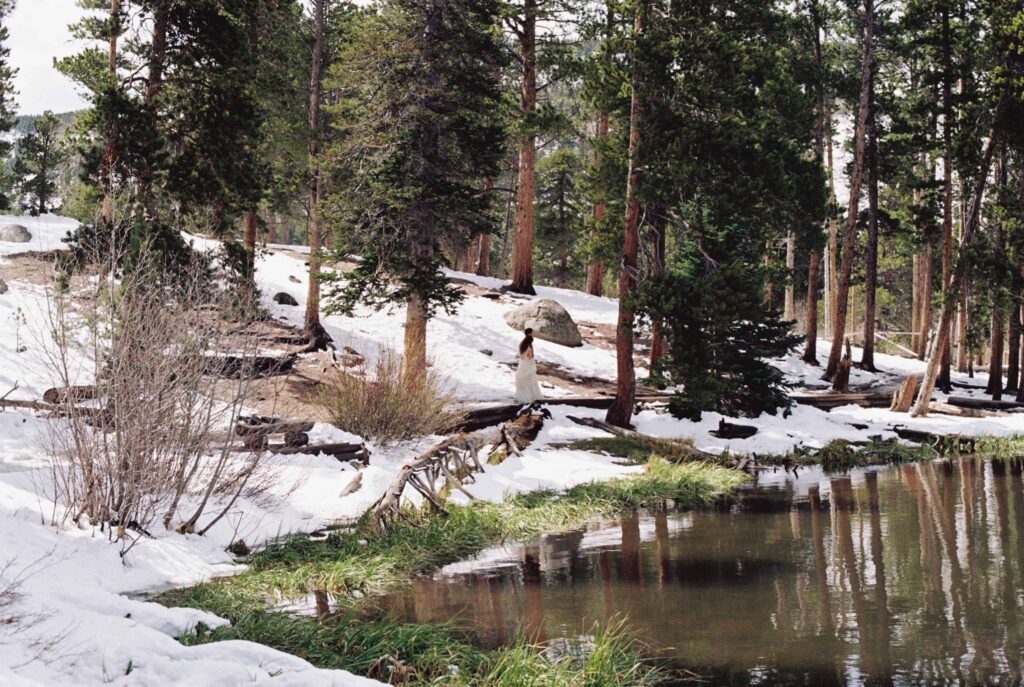
Rocky Mountain National Park Wedding Permits
All wedding ceremonies conducted inside Rocky Mountain National Park require a Special Use Permit.
The National Park Service only allows ceremonies at designated wedding locations throughout the park, and each site has specific guest limits and regulations. Because permit requirements and location availability can change, it’s important to verify current information during the planning process.
As your elopement photographer and videographer, part of my job is helping you navigate permits, ceremony locations, and logistical planning so you can focus on enjoying the experience.
Leave No Trace in Rocky Mountain National Park
Protecting the landscapes that make Rocky Mountain National Park so special is an important part of planning an elopement here.
Following Leave No Trace principles means staying on designated trails, respecting wildlife, avoiding restricted areas, and leaving the environment exactly as you found it. Alpine ecosystems are particularly fragile, and even small impacts can take years to recover.
When you work with me, Leave No Trace principles are incorporated into every part of the planning process so your wedding day remains respectful of the landscape while allowing you to fully enjoy the experience.
Marriage Licenses for an Rocky Mountain National Park Elopement
Colorado allows couples to self-solemnize, meaning you do not need an officiant or witnesses to legally get married. The only signatures required on the marriage license are yours and your partner’s.
Marriage licenses can be obtained from any county clerk’s office in Colorado. For couples eloping in Estes Park, the closest option is the Larimer County Clerk & Recorder office in Loveland, located about 30 minutes away. Many couples choose to stop there on their drive from Denver to Estes Park.
There is no waiting period, so you can legally marry as soon as your license is issued. I typically recommend picking it up a day or two before your elopement so you can spend your wedding day focused on the experience rather than paperwork.
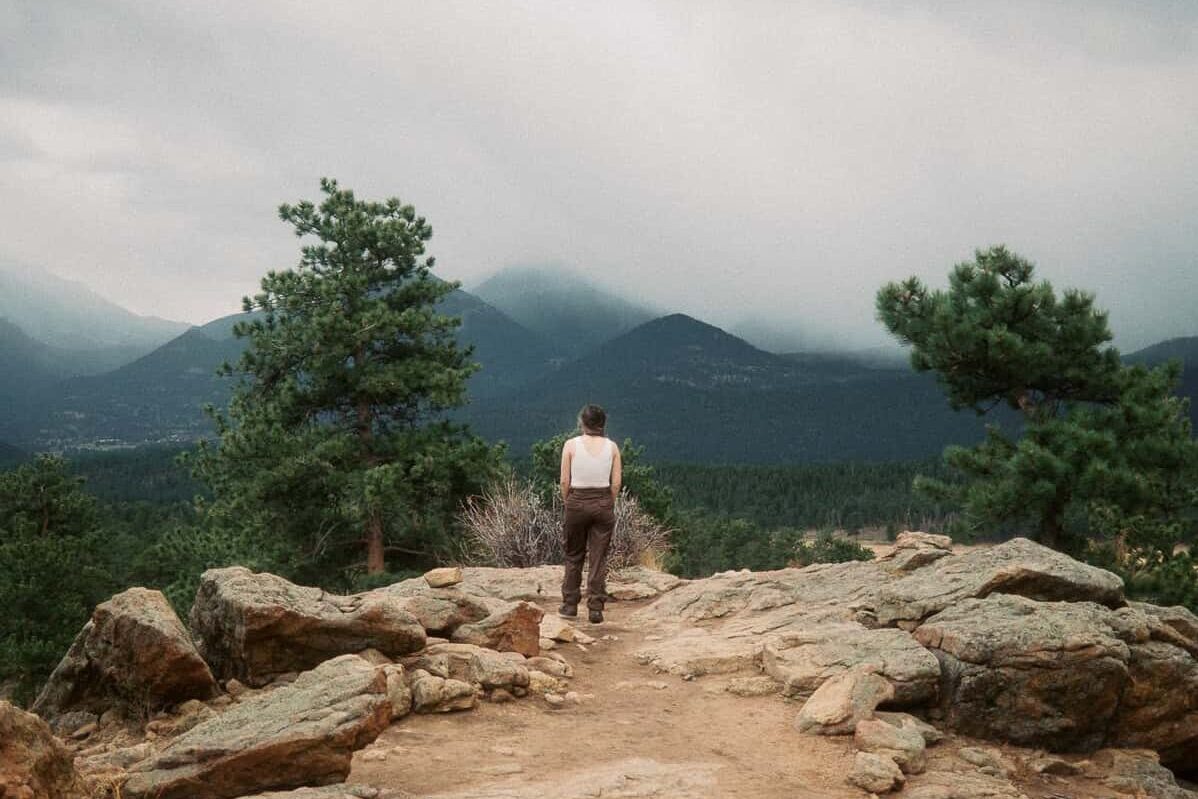
Where to Elope in Rocky Mountain National Park
Rocky Mountain National Park offers a wide range of landscapes, making it easy to find a location that matches your vision and comfort level.
Designated Ceremony Sites
Rocky Mountain National Park only allows weddings at approved ceremony locations.
Popular sites include lakeside settings, mountain overlooks, and meadow locations throughout the park. Each site offers a different experience, whether you’re seeking accessibility, privacy, mountain views, or room for a small group of guests.
Part of the planning process is finding the location that best aligns with your priorities and vision for the day.
| Location | Max Number in Party | Number of Vehicles Allowed | Privacy Estimate |
| 3M Curve | 15 | 3 | Moderately busy |
| Alluvial Fan | 20 | 5 | Very busy |
| Bear Lake | 20 winter only, no weekends | 5 winter only, no weekends | Very busy |
| Copeland Lake | 30 | 10 | Moderately busy |
| Harbison Meadows | 30 | 10 | Moderately busy |
| Hidden Valley | 30 | 10 | Moderately busy |
| Lily Lake Dock | 10 | 3 | Very busy |
| Lily Lake Southside Picnic Area | 30 | 10 | Very busy |
| Lily Lake Trail | 20 | 5 | Very busy |
| Moraine Park Discovery Center Amphitheater | 30 | 10 | Not busy |
| Sprague Lake | 15 (summer) 30 (winter) | 3 (summer) 10 (winter) | Very busy |
| Timber Creek Campground Amphitheater | 20 (closed in winter) | 5 | Not busy |
| Upper Beaver Meadows | 30 | 10 | Moderately busy |
Hidden gems outside the park
Some of my favorite locations around Rocky Mountain National Park are actually found just beyond the park boundaries. The surrounding Estes Park area offers beautiful alpine lakes, mountain overlooks, aspen groves, meadows, and quieter trails that can provide more flexibility, easier access, and additional privacy while still showcasing the stunning scenery the Rockies are known for.
When couples work with me, I help them find locations that align with their vision, priorities, and comfort level so their day feels intentional, relaxed, and uniquely their own.
Best Time for a Rocky Mountain National Park Elopement
Canyonlands National Park sees visitors year round, but timing will definitely have a role in how your elopoement day feels.
- Summer (June-August) Summer offers warm temperatures, accessible trails, and alpine wildflowers. This is one of the busiest times of year in the park, but it also provides the greatest access to high-elevation areas.
- Fall (September-October) Fall is one of the most popular seasons for elopements thanks to golden aspens, crisp temperatures, and the annual elk rut. Wildlife activity increases significantly during this time, creating unique opportunities to experience the park.
- Winter (November-April) Winter transforms RMNP into a quieter, snow-covered landscape. While some roads and areas become inaccessible, the park offers a peaceful and beautiful setting for couples willing to embrace winter conditions.
- Spring (May-Early June) Spring can be unpredictable, with lingering snow at higher elevations and changing weather conditions. Lower-elevation locations begin coming back to life, while mountain peaks often remain snow-covered.
What Is Timed Entry Reservation? What About Seasonal Closures?
One of the most important things to know when planning a Rocky Mountain National Park elopement is that access changes throughout the year.
Timed Entry Reservations
During much of the summer and early fall, Rocky Mountain National Park uses a timed entry reservation system to manage visitation. Depending on your ceremony location and time of day, reservations may be required to enter certain areas of the park.
Bear Lake Corridor Access
The Bear Lake Corridor often has separate reservation requirements during peak visitation periods because it contains some of the park’s most popular destinations.
These regulations can change from year to year, which is why staying current on park requirements is an important part of the planning process.
Trail Ridge Road Closures
Trail Ridge Road typically closes during the winter due to snow and weather conditions. Opening and closing dates vary each year depending on snowfall, but the road is generally accessible from late spring through fall.
Where to Stay Near Rocky Mountain National Park
Camping
If you’re dreaming of camping during your Rocky Mountain National Park elopement, you have plenty of options. The park is home to five campgrounds, with nightly rates typically ranging from around $30–$70 depending on the campground and season. Each one offers a different experience, from forested sites tucked among the pines to campgrounds with easy access to some of the park’s most popular trails.
Keep in mind that campground availability, reservation requirements, and seasonal opening dates vary throughout the year, especially since many areas of the park close during the winter months. I always recommend checking the National Park Service website for the most up-to-date information before making plans.
If camping inside the park isn’t your style, there are also several private campgrounds and RV parks just outside the entrances in Estes Park and Grand Lake, giving you easy access to the mountains while offering a few extra comforts and amenities.
Lodging in Estes Park
The Best Dinner Spots in Estes Park
and if you’re feeling a little more casual,
Tips for Eloping in Rocky Mountain National Park
- Plan around sunrise or sunset for the best light and fewer visitors.
- You need a special use permit, even if just reading vows
- Plan for timed entry permits if visiting in peak season
- Allow time to acclimate to Colorado’s elevation before your wedding day.
- Dress in layers, as mountain weather can change quickly.
- Be prepared for wildlife encounters and maintain a respectful distance.
- Build flexibility into your timeline for weather and changing conditions.
- Follow Leave No Trace principles throughout your experience.
Continue Planning Your Rocky Mountain National Park Elopement
Many couples who elope in Rocky Mountain National Park choose to stay in Estes Park and turn their wedding into a multi-day mountain getaway. If you’re looking for lodging recommendations, activities, restaurants, and additional ceremony locations outside the park, explore my Estes Park Elopement Guide.
- .
Ready to Elope in Rocky Mountain National Park?
A Rocky Mountain National Park elopement means choosing a wedding day surrounded by some of Colorado’s most iconic landscapes. Whether you’re exchanging vows beside an alpine lake, exploring the tundra above treeline, or watching the sun rise over the mountains, RMNP offers countless opportunities to create a meaningful and unforgettable experience.
Your job is to be together, enjoy the day, and get married. My job as your elopement photographer and videographer is to help you navigate permits, find the perfect location, create a timeline that flows naturally, and document the moments you’ll want to remember forever. From planning and scouting to preserving the experience through photographs and film, I’m here to guide you through it.
If you’re ready to start planning your Rocky Mountain National Park elopement, contact me!


