


Dreaming of saying “I do” in a national park? Here’s what you should know before deciding if it’s the right fit for your wedding or elopement.
There is something undeniably special about getting married in a national park.
Instead of walking down the aisle inside a traditional venue, you could exchange vows beneath towering mountain peaks, beside an alpine lake, under ancient redwood trees, or surrounded by dramatic desert cliffs.
Your wedding day becomes about more than the ceremony itself. It can become an entire experience built around exploring somewhere incredible together.
But as much as I love national park weddings, I’ll also be the first to tell you that they aren’t the right fit for every couple.
I’ve spent years visiting national parks and helping couples plan destination elopements in places like Grand Teton, Glacier, Rocky Mountain, the Redwoods, and beyond. Every park comes with its own scenery and experience, but also its own rules, crowds, weather, permits, and logistics.
So if you’re considering getting married in a national park, let’s talk about what makes them incredible and what you should know before deciding if one is right for you.
The Pros of Getting Married in a National Park
There are a lot of reasons couples are drawn to national park weddings, but for me, it really comes down to the scenery, the experience, and the freedom to create a wedding day that feels a little different from the traditional route.
Incredible Scenery Without a Traditional Venue
Let’s start with the obvious one: the scenery.
When you get married in a national park, nature becomes your venue.
You might exchange vows with the Tetons rising behind you, spend the afternoon beside a turquoise lake in Glacier, walk beneath towering redwoods, or watch the desert turn golden as the sun sets in Joshua Tree.
You don’t have to create a beautiful setting from scratch because you’re already standing in one.
And because the landscape is such a big part of the experience, you often don’t need much in the way of décor either. A bouquet, a few meaningful details, and the people you love can be more than enough when you’re surrounded by a place this beautiful.
Your Wedding Day Becomes an Experience
The views might be what initially draw you to a national park, but I think the experience is what makes getting married in one so special.
Instead of moving from one scheduled wedding event to another, you can build the day around things you actually want to do together.
Maybe you watch the sunrise before exchanging vows, hike to an overlook, have a picnic beside a lake, take a scenic drive, look for wildlife, explore a few completely different landscapes, or stay out until the stars come out.
And your wedding day doesn’t have to turn into one long photoshoot just because you’re somewhere beautiful. The point is to actually experience the place you’re in, with photography documenting everything as it naturally unfolds.
What that experience looks like will depend on where you choose to get married. In Glacier, that might mean spending part of the day exploring Going-to-the-Sun Road. In Grand Teton, you could pair your ceremony with an alpine lake, wildlife watching, or a sunset overlooking the mountains. In Zion, your day might revolve around scenic overlooks and nearby hikes.
That’s one of my favorite things about national park elopements. You aren’t just choosing a backdrop. You’re choosing somewhere you actually get to experience together.
National Park Wedding Ceremony Can Be Surprisingly Affordable
Getting married in a national park doesn’t necessarily mean your entire wedding will be inexpensive. You’ll still want to budget for things like travel, lodging, photography, attire, activities, florals, and any guests you’re bringing along.
But the actual ceremony location can be surprisingly affordable compared to renting a traditional wedding venue.
Many parks require a Special Use Permit for wedding ceremonies rather than a traditional venue rental, although the cost and requirements vary from park to park.
And because the landscape itself is such a huge part of the setting, you may also find that you don’t need to spend nearly as much on décor to make the ceremony space feel special.
The Cons of Getting Married in a National Park
As incredible as national park weddings can be, there are a few tradeoffs to consider.
National parks are protected public lands, not private wedding venues. That means you’ll be working within park rules, sharing the space with other visitors, and planning around a few things you can’t always control.
For many couples, those things are completely worth it. But knowing what to expect ahead of time can help you decide whether a national park actually fits the kind of wedding day you want.
Permits + Restrictions Are Part of the Deal
Wedding ceremonies and elopements inside national parks commonly require a Special Use Permit, and the exact process is different for every park.
Some parks have designated ceremony locations, while others give you more flexibility. Depending on where you choose, there may also be limits around guest counts, vehicles, chairs, arches, décor, amplified music, parking, or how long you can use a location.
That doesn’t make national park weddings less special. It just means they’re usually best suited for couples who don’t need a lot of setup to make their ceremony feel complete.
If you’re imagining an intimate ceremony where the landscape does most of the decorating for you, those restrictions may not bother you at all. If you’re dreaming about a large floral installation, rows of chairs, or complete control over the space, there may be a better location outside the park.
And don’t assume the rules are the same from one national park to another. They’re not.
This is one reason I recommend choosing your destination early enough that we have time to understand the specific permit requirements before building the rest of your plans around it.
Complete Privacy Isn’t Guaranteed
This is probably one of the biggest misconceptions about getting married in a national park.
A beautiful mountain overlook might feel completely secluded in someone’s wedding photos, but there could have been visitors standing just outside the frame.
National parks are public spaces, and a wedding permit generally doesn’t mean you’re reserving that location exclusively for yourselves. Other visitors may still be able to access and enjoy the area.
That doesn’t mean your ceremony has to feel like you’re getting married in front of a crowd, though.
Timing makes a huge difference.
I often help my couples look at weekdays, sunrise or early-morning ceremonies, less-busy locations, and shoulder-season dates when privacy is especially important to them.
Sometimes moving a ceremony by an hour or choosing a location a few minutes away can completely change the experience.
The Weather Gets a Vote
One of the beautiful things about getting married outdoors is that nature becomes part of the experience.
One of the challenging things? Nature becomes part of the experience.
Mountain storms can roll in quickly, wind can show up out of nowhere, and temperatures can shift dramatically throughout the day. Depending on where and when you’re getting married, you may also need to think about snow, wildfire smoke, road closures, or changing trail conditions.
You can’t control the weather, but you can plan for it.
That’s why I recommend choosing your location with the season in mind, keeping some flexibility in your timeline, and having a backup plan when conditions could affect your safety or the experience you’ve planned.
And not every change in weather means we need to change plans. A little rain, fog, wind, or moody weather can actually make the day even more beautiful and has created some of my favorite photographs.
It’s when we’re dealing with severe weather, unsafe roads, wildfire conditions, or other legitimate safety concerns that we’ll pivot to Plan B. Having that option ready ahead of time means we aren’t scrambling to figure it out on your wedding day.
Accessibility Can Shape Your Location Options
Not every beautiful national park location requires a five-mile hike, but not every location is easily accessible either.
Some ceremony locations and overlooks require very little walking, while others may involve uneven terrain, elevation gain, long drives, limited parking, or significant elevation.
This becomes especially important if you’re bringing parents, grandparents, young children, or anyone with mobility limitations.
It’s something I consider when helping couples choose locations because the “best” ceremony spot isn’t just the one with the prettiest view.
It’s the one that actually works for the people who need to get there.
You Don’t Have to Get Married Inside the National Park
This is something I wish more couples knew.
You can love Grand Teton, Glacier, Zion, or another national park without necessarily having your ceremony inside the park boundaries.
Sometimes the best location for what you’re envisioning is actually nearby.
Depending on the destination, national forests, BLM land, state parks, private properties, and other public lands may offer more privacy, fewer restrictions, different ceremony locations, easier logistics, or better access to the light and scenery you want.
And you don’t necessarily have to choose one or the other.
You could exchange vows somewhere quieter outside the park, then spend the rest of your wedding day exploring inside it.
For some couples, that’s truly the best of both worlds.
If you love dramatic outdoor scenery but aren’t sure a national park is right for you, places like the Oregon Coast, Kanab in Southern Utah, and Ouray, Colorado can also give you an incredible experience without necessarily building the entire day around a national park ceremony.
Some of the Best National Parks for Weddings & Elopements
Every national park offers something completely different. If you’re still deciding where to get married, here are a few incredible places to consider.
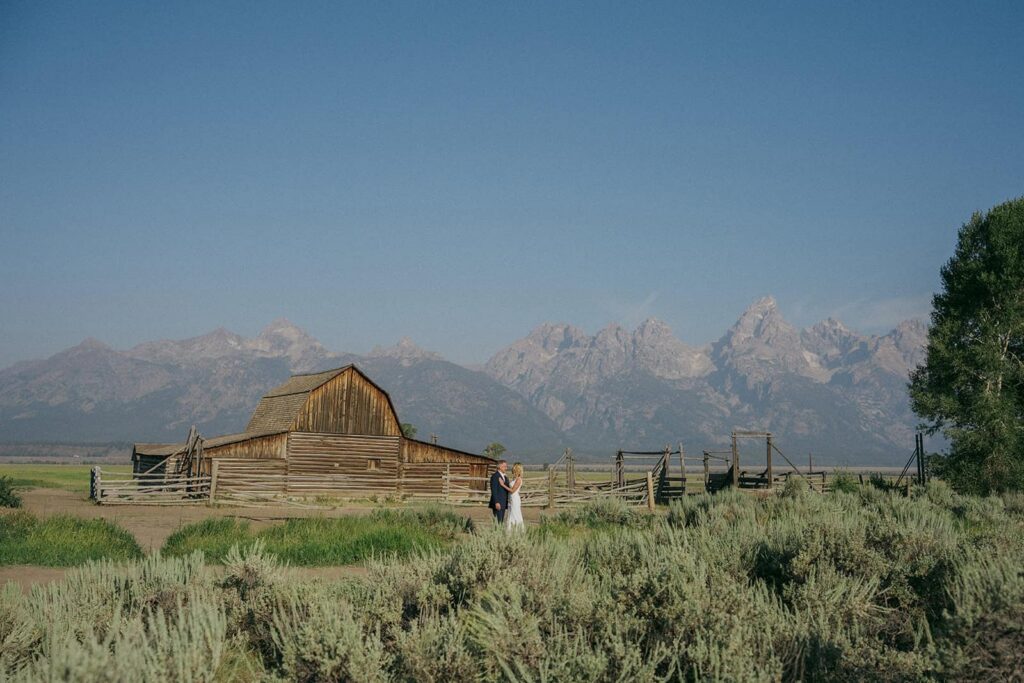
Grand Teton National Park
Best for: Dramatic mountain views, alpine lakes, wildlife + relatively easy access
If the mountains are the most important part of the scenery for you, Grand Teton National Park is hard to beat.
The Tetons rise dramatically from the valley floor, which means you can experience some absolutely massive mountain views without needing to hike for hours to reach them. There are also alpine lakes, wildlife, scenic drives, hiking trails, and plenty of ways to turn your elopement into a full Wyoming experience.
If this one is already on your list, my Grand Teton Elopement Guide goes much deeper into ceremony locations, permits, seasons, and planning.
Glacier National Park
Best for: Alpine lakes, mountain roads, forests + a wilder mountain experience
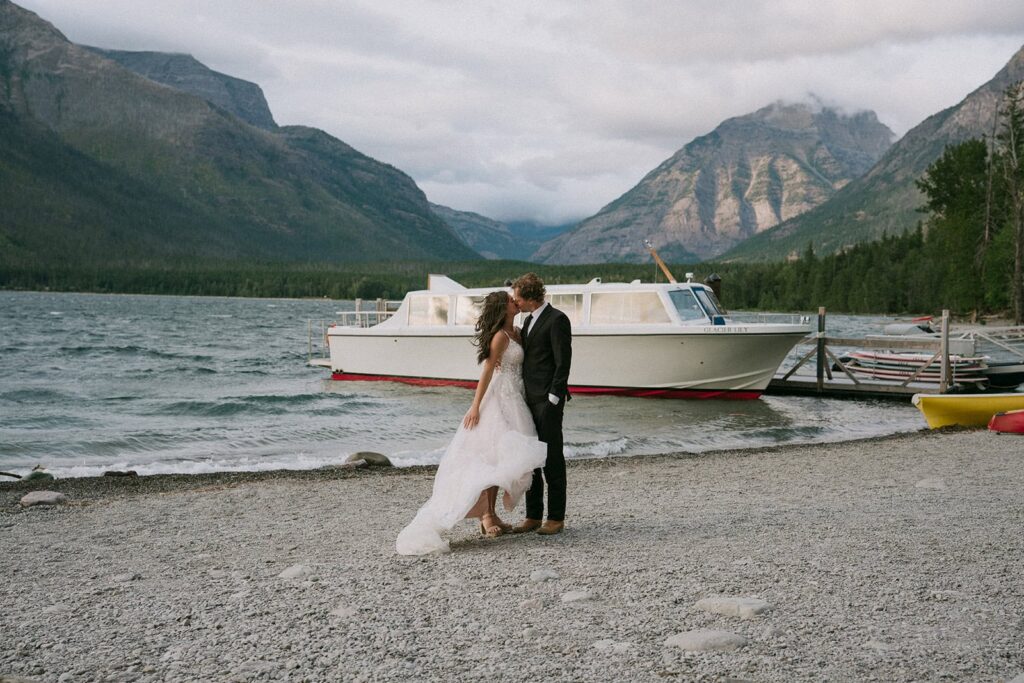
Glacier National Park gives you a little bit of everything.
There are turquoise lakes, rugged mountain peaks, forests, alpine landscapes, waterfalls, wildlife, and Going-to-the-Sun Road connecting so much of it together.
Glacier can involve a little more driving and logistics, but that’s also part of what makes exploring it feel like such an adventure.
My Glacier National Park Elopement Guide covers ceremony locations, permits, seasonal considerations, and how to start putting everything together.
Rocky Mountain National Park
Best for: Alpine lakes, Colorado mountain scenery + easy access from the Front Range
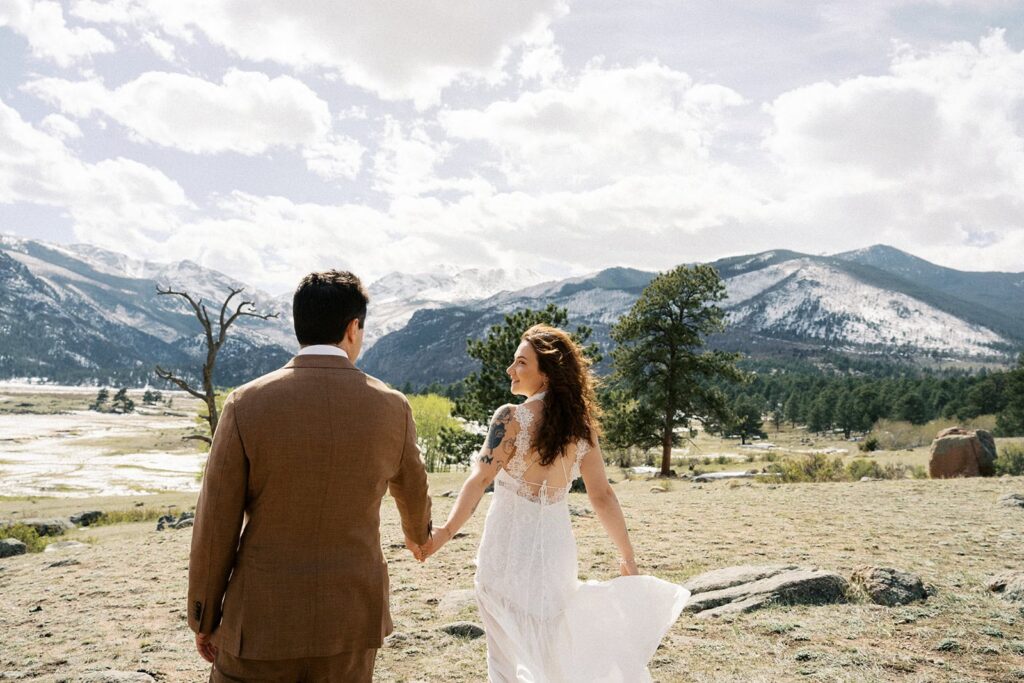
Rocky Mountain National Park is a great option if you love high-elevation landscapes, alpine lakes, mountain overlooks, and classic Colorado scenery.
It’s also relatively accessible from Denver and has several designated ceremony locations, although permits and seasonal logistics are important pieces of planning here.
You can read through my Rocky Mountain National Park Elopement Guide for ceremony locations, permits, and seasonal planning tips.
Redwood National & State Parks
Best for: Ancient forests, moody scenery + a completely different kind of elopement
Not every national park elopement needs mountain views.
If you’d rather exchange vows beneath towering ancient trees, Redwood National & State Parks create an entirely different atmosphere.
You can also combine the redwoods with Northern California’s rugged coastline, which makes it possible to experience two completely different landscapes in one wedding day.
My Redwoods Elopement Guide covers ceremony locations, permits, and how to plan an elopement in the area.
Joshua Tree National Park
Best for: Desert landscapes, rock formations + golden sunsets
Joshua Tree National Park is an incredible option if mountains and forests aren’t really your thing.
The giant boulders, Joshua trees, desert landscape, and warm light create a wedding setting that feels completely different from the mountain parks.
Season matters a lot here because of desert temperatures, so my Joshua Tree Elopement Guide walks through permits, locations, and the best times of year to plan your day.
Zion National Park
Best for: Towering sandstone cliffs, canyons + dramatic desert scenery
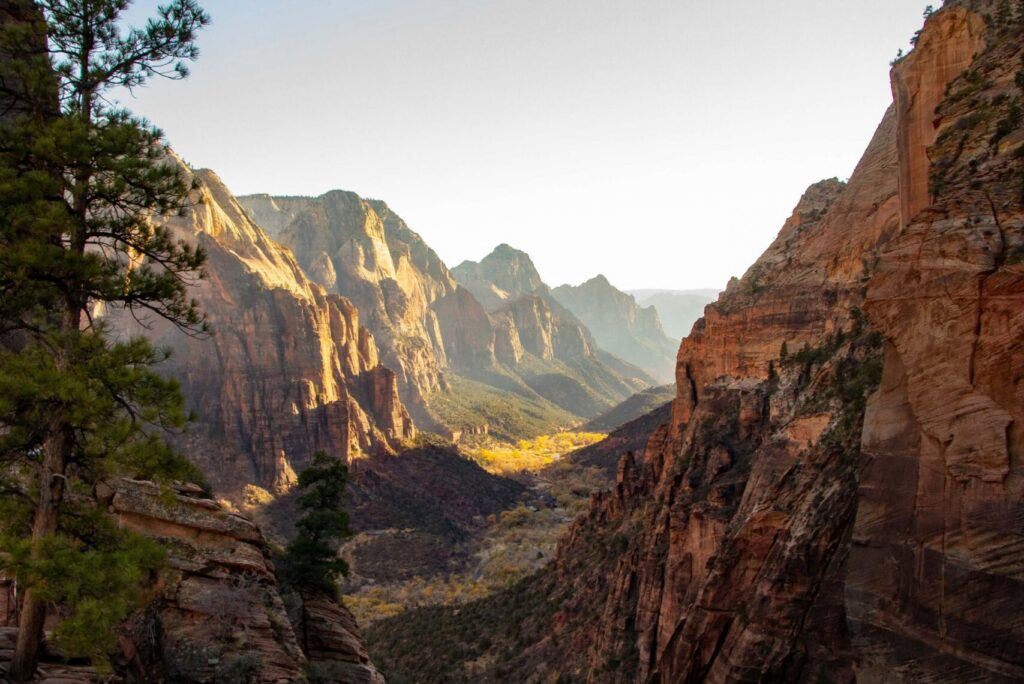
If you want your surroundings to feel huge, Zion National Park delivers.
Its towering cliffs, winding canyons, and desert colors create one of the most recognizable landscapes in the Southwest.
There are some important ceremony restrictions and logistics to consider here, so start with my Zion Elopement Guide if Zion is on your shortlist.
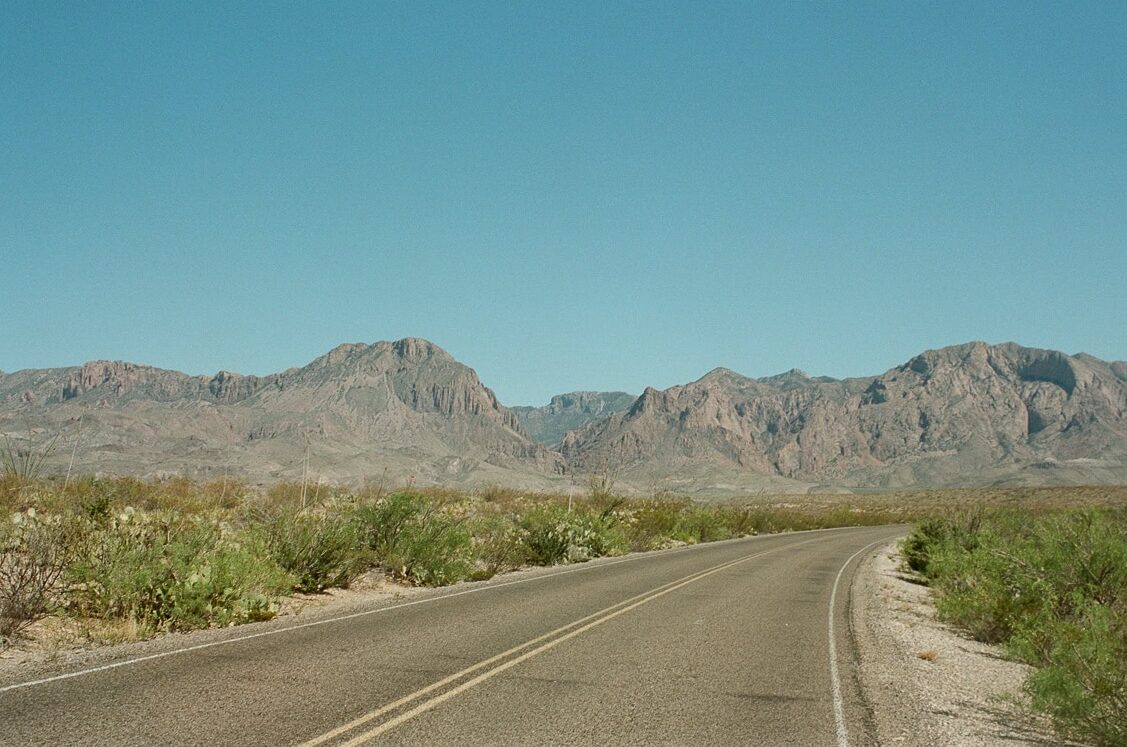
Big Bend National Park
Best for: Solitude, desert mountains + dark skies
Big Bend National Park is one of my favorite options for couples who want something that feels a little more remote.
Between the Chisos Mountains, wide-open desert, canyons, and incredible night skies, the landscape feels vast in a way that’s hard to replicate somewhere closer to a major city.
It takes more effort to get there, but for the right couple, that’s part of the appeal.
My Big Bend Elopement Guide goes deeper into locations, permits, seasons, and planning.
So… Should You Get Married in a National Park?
There isn’t one right answer.
A national park might be an incredible fit if you care more about scenery and experience than elaborate décor, you’re planning a smaller celebration, and you’re comfortable allowing a little flexibility into your plans.
You should also be okay with the fact that you’re sharing the landscape with other people and that weather, park regulations, road conditions, and wildlife sometimes get a say in how the day unfolds.
On the other hand, a national park may not be the best choice if complete privacy is really important to you, you want a large guest list or elaborate ceremony setup, or you want complete control over the environment.
And that’s completely okay.
The goal isn’t to get married in a national park just because national park elopements look beautiful in photographs.
The goal is to choose a place that gives you the kind of wedding day you actually want to experience.
Still Not Sure? That’s Where I Come In.
You don’t need to have your exact ceremony location, trail, timeline, or even national park completely figured out before reaching out.
One of the first things I help my couples determine is where they should actually get married.
Sometimes that’s inside the national park they’ve been dreaming about.
Sometimes we realize there’s a location just outside the park that gives them the same incredible scenery with more privacy or flexibility.
And sometimes we end up somewhere completely different.
I help my couples narrow down locations based on the scenery they love, accessibility, privacy, season, guest count, activities, and how they actually want their wedding day to feel. From there, I help with permits, logistics, vendors, and building a timeline that gives you enough space to actually experience the place you’ve chosen.
Because finding a beautiful location is only one part of planning an elopement.
Finding the right location for the two of you is what matters.


